Gardening Services in Putney

Our gardening services in Putney cover the practical work needed to keep outdoor spaces tidy, usable and well presented across the seasons. From regular garden maintenance to one-off tidying, we support homeowners, landlords and businesses that want reliable help with everyday outdoor tasks. The service can include mowing, trimming, bed care and general clearance, with work planned around the condition of the garden and the finish you want to achieve.
We handle gardens that need light upkeep as well as spaces that have become more demanding after a period of neglect. That may mean restoring neat edges, cutting back growth, removing green waste and shaping shrubs so paths, lawns and borders are easier to manage. If you are comparing options, a sensible place to start is our services overview, which sets out the main types of help available.
For a clearer idea of what suits your space, you can also look at pricing and quotes before making an enquiry. We keep the approach straightforward: explain the work you need, share the main features of the garden and ask for a quotation when you are ready. Simple, clear communication usually helps make the next step easier.
Regular garden maintenance and tidy-up work
Routine gardening is often less about dramatic change and more about maintaining a presentable, healthy outdoor area. Our maintenance work can include grass cutting, border tidying, weed reduction, leaf removal and general seasonal care. This type of service is useful where you want the garden to stay under control rather than waiting for problems to build up. It also helps to keep access clear and reduce the time spent on repetitive household chores.
Because gardens vary so much, maintenance is rarely one fixed checklist. Some spaces need a little edging and pruning, while others require more detailed attention to overgrown corners, rough lawns or neglected beds. If you are planning future work, our garden maintenance page gives a useful picture of the sort of ongoing care we can support. It is often the right option for anyone who wants a dependable routine rather than a one-off reset.
When a garden needs a more substantial clear-out before regular upkeep can begin, it can be useful to separate tidy-up work from longer-term maintenance. For larger outdoor spaces, a methodical start makes later visits more efficient and less disruptive. Good maintenance is usually built on practical decisions about what to cut back, what to keep, and what to remove completely.
Lawns, hedges and structured cutting

Many customers need help with the parts of the garden that give it shape: lawns, hedges, shrubs and boundary planting. A level mow, a crisp hedge line and consistent trimming can change how the whole space looks without requiring a complete redesign. These tasks are also important where plants are beginning to encroach on paths, driveways or seating areas. Our lawn mowing service focuses on keeping grass areas neat and manageable.
For taller or broader growth, trimming must be done with more care than a quick cut. Hedges need sensible reduction, attention to shape and a finish that suits the plant rather than forcing it into an unnatural line. The same applies to shrubs and mixed borders, where selective pruning is often better than cutting everything back equally. If you need a sharper finish around property lines, see our hedge trimming page for the type of work this covers.
Well-shaped planting can make a garden easier to use as well as better to look at. Paths stay clearer, light reaches more of the space and routine care becomes simpler when growth is kept in check. Not every garden needs intensive intervention; sometimes the right answer is precise, regular cutting rather than heavier clearance.
Garden clearance for overgrown or cluttered spaces
Clearance work is for gardens that have become difficult to use because of excess growth, accumulated waste or general neglect. This can involve removing brambles, cutting back invasive plants, collecting cuttings and opening up access so the space is safer and easier to work in. It is often the first stage before maintenance, replanting or other improvements can take place, especially where vegetation has spread beyond the intended lines of the garden.
Our garden clearance service is designed for practical recovery work rather than cosmetic touch-ups. Depending on the site, it may include sorting through bulky green waste, reducing dense vegetation and clearing forgotten corners that have become difficult to approach. Where there are larger shrubs or self-seeded growth, a careful sequence matters so that the garden is improved without unnecessary disturbance to the parts you want to keep.
A useful way to think about clearance is as a reset. Once the excess material is removed, the space can be assessed more clearly and the next stage planned with less guesswork. That can help when you are preparing for regular maintenance, working toward a tidier family garden or making a rented property presentable again. Clearance is often the quickest route from overwhelmed to manageable.
Landscaping and garden improvements
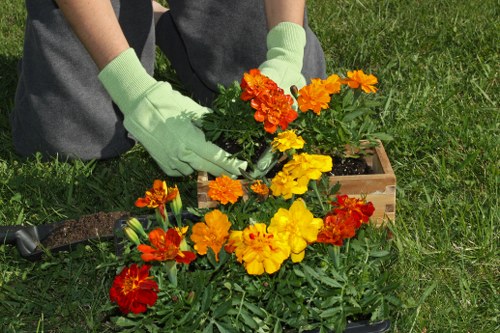
Some gardens need more than ongoing care and require targeted changes to improve layout, structure or appearance. Landscaping work may include reshaping beds, adjusting the use of space, improving borders or creating cleaner transitions between lawn, planting and hard surfaces. The aim is usually to make the garden easier to maintain while also giving it a more considered finish. Our landscaping page covers the broader improvement work available.
Where new features or refreshed surfaces are involved, it helps to plan the work around how the garden is actually used. Seating areas, access routes and visual balance all influence the result, as do the existing size and condition of the space. If you are looking for more detailed design-led changes, our landscape gardening service sits alongside practical maintenance and can support more ambitious outdoor updates without losing sight of everyday usability.
Even modest improvements can make a meaningful difference when they are selected carefully. Reworking a border edge, refining the shape of a bed or improving the relationship between planting and open space may be enough to transform how the garden feels. Thoughtful landscaping is not always about building more; it is often about arranging what is already there so it works better.
Tree and larger growth management
Trees, tall shrubs and heavy growth need a different approach from ordinary trimming because they affect light, shape and access across the whole garden. In some cases the task is careful reduction; in others, removal is the safer or more practical option. The right method depends on the size of the plant, where it is growing and whether it is blocking routes, crowding smaller planting or creating ongoing maintenance issues. Our tree lopping and removal page describes this type of work in more detail.
Where larger growth has been allowed to develop over time, the priority is often to restore control without stripping the garden bare unnecessarily. That may mean selective cutting, staged reduction or removal of individual problem trees rather than taking a broad approach. The result should be a garden that feels more open and easier to manage while still respecting the remaining structure of the space and the plants that continue to contribute to it.
Tree work can also change how much light reaches lawns, patios and beds, which in turn affects the rest of the garden care plan. Once the main obstruction is dealt with, mowing, pruning and planting decisions may become simpler. In this kind of work, sensible sequencing matters as much as the cutting itself.
Preparing for a quotation and choosing the right scope

When you ask for a quotation, it helps to be clear about the overall condition of the garden and the tasks you want included. A brief description of the area, the main problem spots and any access considerations usually gives enough context to shape a useful response. If the garden has both routine and heavy work to do, it is often better to describe those parts separately so the scope can be matched more accurately.
Photographs can also be helpful where the space is overgrown, uneven or divided into several sections. They allow the key features to be reviewed before any visit or further discussion, especially if you want to distinguish between regular maintenance, clearance and improvement work. For straightforward comparisons, our about us page gives a general sense of the business background, while contact us is the natural place to begin when you are ready to request a quotation.
Before you make contact, it can save time to note which parts of the garden matter most to you: the front area, the back lawn, borders, hedges, trees or a combination of all of them. A little structure at the start makes it easier to decide whether you need one visit, a staged programme or a recurring service. Please get in touch for a quotation when you are ready.
Materials, green waste and practical site care
Garden work usually creates a fair amount of cuttings, branches, leaves and other green waste, so practical handling is part of the service rather than an afterthought. The aim is to leave the area orderly once the work is complete, with waste gathered and the usable parts of the garden left in better condition than before. This matters whether the job is a quick tidy-up or a longer clearance exercise.
Access and site layout can also affect how the work is approached. Narrow side passages, stepped gardens, shared entrances and uneven ground may require a more deliberate method so materials can be moved safely and the finished result remains neat. If you are comparing service options, our recycling and sustainability page may be useful for understanding how materials are considered, while insurance and safety covers broader operational care.
For many customers, the best result is not just a tidier garden but one that is easier to maintain afterwards. That means choosing the right level of cutting, keeping access open and removing waste in a way that supports future visits. Orderly finishing is a small part of the job that makes a noticeable difference to the overall impression.
About Putney
Putney is a south-west London district on the south bank of the River Thames, historically part of Surrey before becoming part of Greater London. It is known for Putney Bridge, which links the area to Fulham across the river, and for its long association with rowing and river transport. The annual Boat Race has traditionally passed through this stretch of the Thames, and the area’s riverside identity remains one of its best-known features. Away from the waterfront, Putney includes a mixture of Victorian and Edwardian housing, later residential development and busy commercial streets clustered around the town centre. Putney High Street forms a major spine through the district, with shops, services and transport connections making it one of the more active parts of the area. East Putney, West Putney and Putney Heath each have a distinct character, with the heath offering open common land and a different sense of scale from the denser streets nearer the centre. The district also has several churches, local schools and green spaces that help define its identity. Wandsworth Park lies close to the river and offers formal open ground, while nearby Putney Embankment provides a route along the water with views towards bridges, moorings and riverside activity. The combination of transport links, riverside setting and varied residential streets gives Putney a layered urban character that is both historic and heavily lived-in.
Seasonal work, planting care and finishing touches

Seasonal gardening often requires a different rhythm from routine mowing and trimming. In spring, attention may turn to clearing winter debris, refreshing beds and bringing structure back into view. In summer, the emphasis is often on keeping growth under control and making sure borders and lawns remain presentable. Autumn can call for leaf collection and reduction work, while winter tends to suit more structural tasks and preparation for the next cycle. These are practical decisions that keep the garden moving in the right direction throughout the year.
Planting areas also benefit from sensible maintenance. Weeding, thinning, deadheading and selective pruning can support healthier growth and a cleaner overall look, especially where beds have become crowded. Not every garden needs major redesign; sometimes the best improvement comes from steady care and a few well-chosen adjustments. If you want to plan work across a longer period, our garden maintenance and landscape gardening pages can help you see how the different types of service relate to one another.
Whether the task is a single visit or a broader programme, the key is to match the work to the garden’s current condition and the finish you want to achieve. Good results are usually built from practical decisions, not elaborate promises. If you would like help with a tidy-up, routine care or a more substantial improvement, request a quotation today.